Water
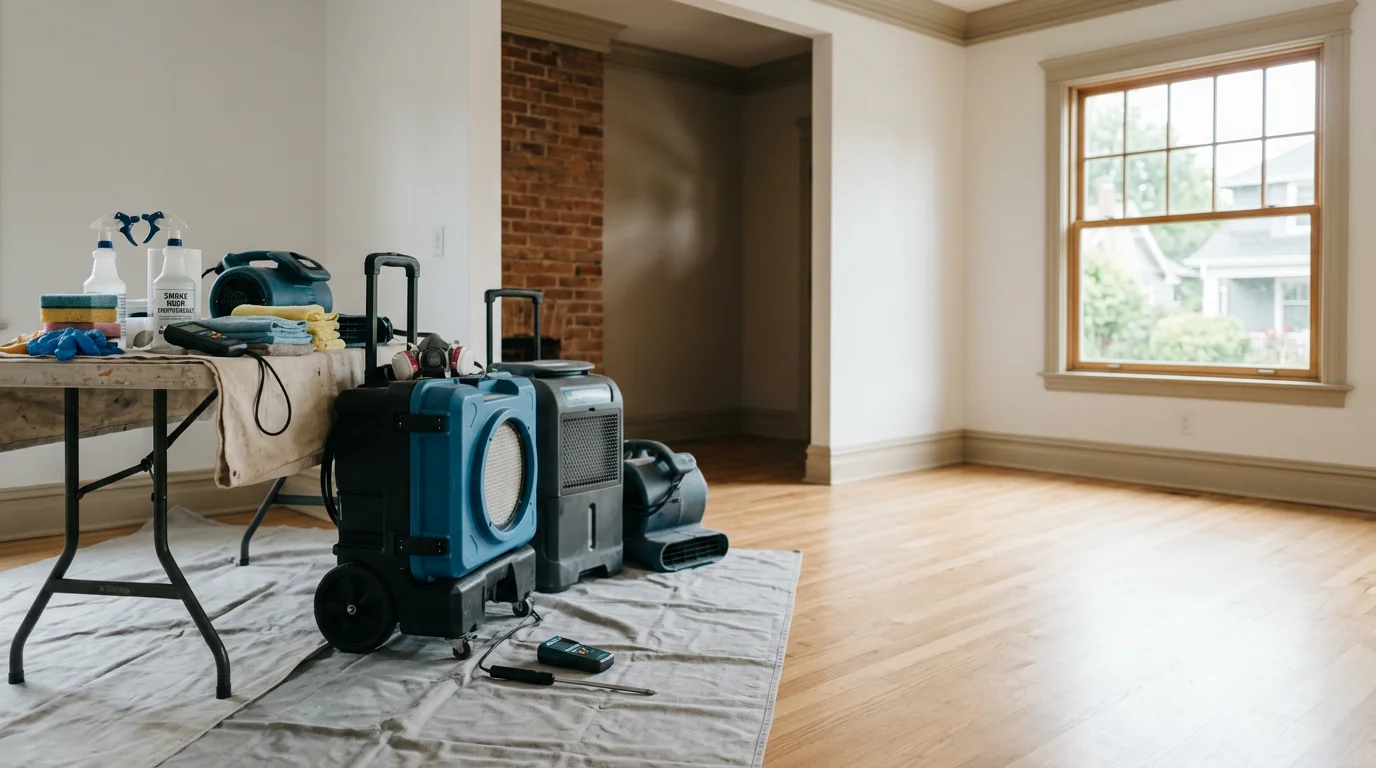
Professional water damage restoration services in Portland, OR. Fast response, expert cleanup.
Explore Water
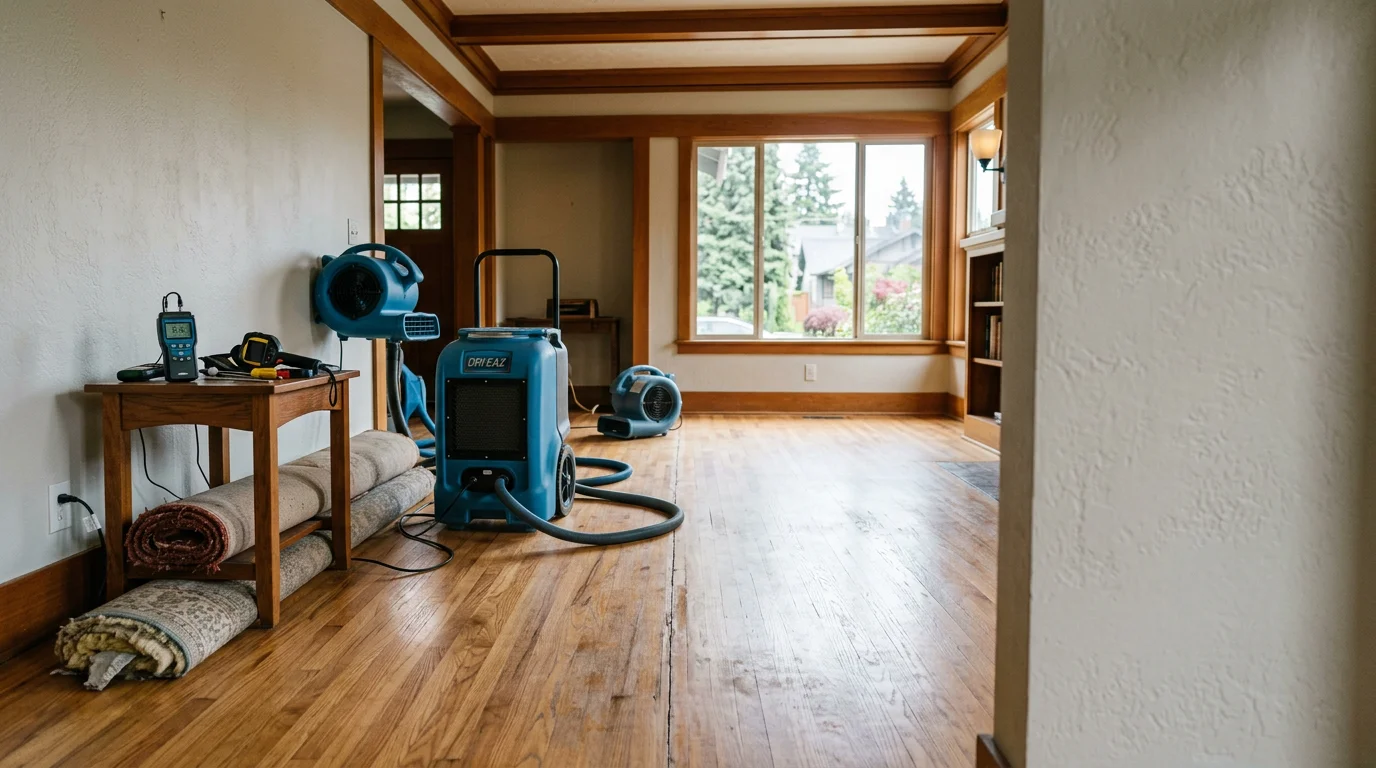
Portland's housing stock spans more than a century of construction, from pre-1940 Craftsman bungalows in Sellwood-Moreland and St. Johns to mid-century ranches in Woodstock and newer condos in the Pearl District. Older homes throughout Northeast and North Portland often have original plumbing, aging crawlspaces, and wood-framed walls that absorb moisture quickly when a pipe fails or a roof leaks. The city's long wet season, running from October through April, keeps relative humidity elevated and gives water damage little time to dry on its own. Properties near the Willamette River and low-lying corridors like the Lloyd District face added exposure to groundwater intrusion during heavy rain events.
Portland, OR
OR Service Area
Communities we serve
Portland, OR
Water Damage Restoration Service
Portland's pre-1940 housing stock presents specific challenges that newer construction does not. Original plaster walls hold moisture differently than drywall, and wood-lath framing can stay wet long after surface readings look dry. Moisture mapping and structural drying in these homes requires more monitoring time and more targeted equipment placement than a standard post-2000 build.
The Pearl District and South Waterfront add a different layer of complexity. High-rise condos and converted warehouse lofts have shared mechanical systems, meaning a water loss on one floor can migrate through concrete decks and affect units below. Extraction and drying in these buildings requires coordination with property managers and careful containment to protect neighboring units.
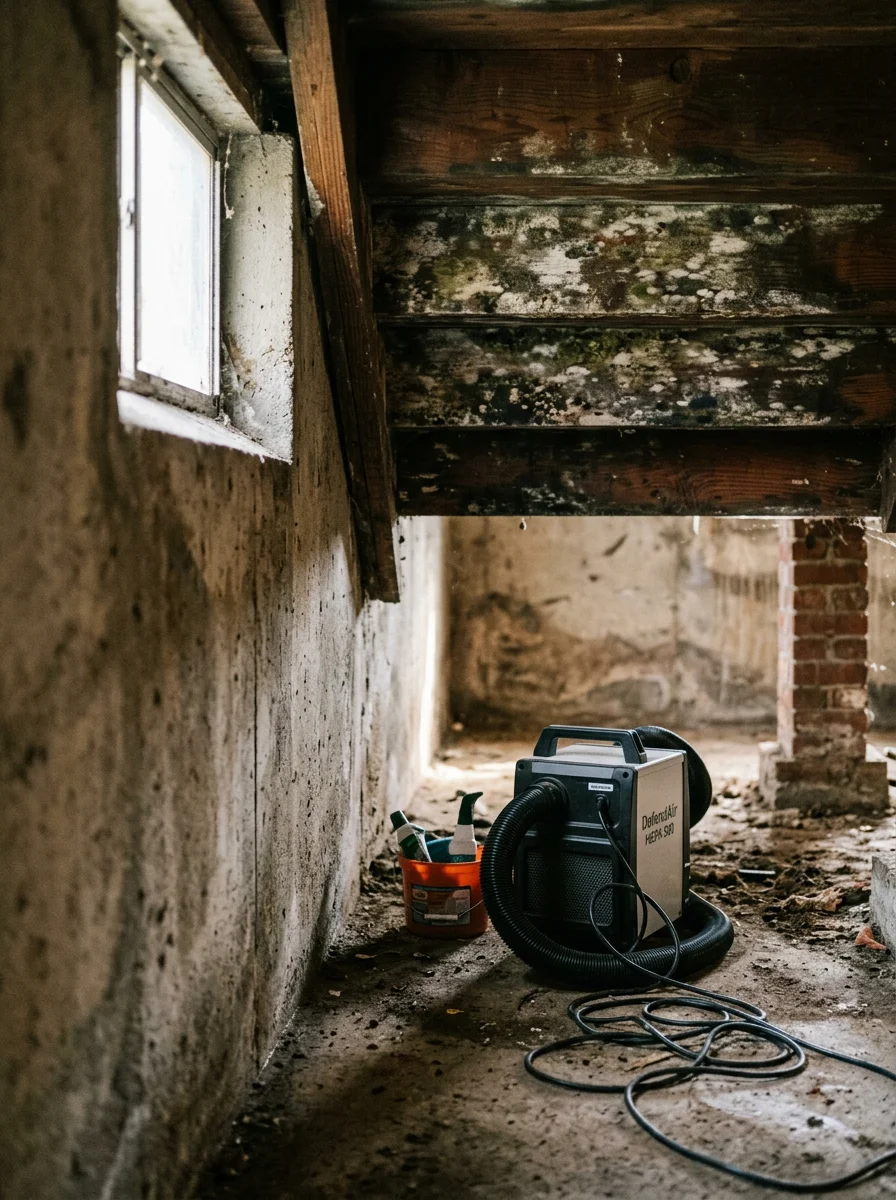
Neighborhoods like St. Johns and Woodstock sit in areas where crawlspaces are common and often unventilated. After any water event, those crawlspaces trap humidity and become active mold environments within days. We address crawlspace moisture as part of every water damage scope in these neighborhoods, not as an afterthought.
At a glance
Water damage restoration is the most common call in Portland because aging plumbing in pre-1960 homes fails without warning, and the city's wet winters give moisture little chance to evaporate before mold takes hold. Mold remediation follows closely, particularly in crawlspaces and basement-level units where HEPA filtration and containment are needed to keep spores from spreading through the rest of the structure. Fire and smoke cleanup is also in demand across the dense inner neighborhoods, where soot from a kitchen fire in a 1920s bungalow can penetrate original plaster walls and require full structural cleaning to remove odor. Biohazard cleanup and sewage backup cleaning round out the most-requested services, especially in older multi-unit buildings where shared drain lines back up into ground-floor units.
Professional water damage restoration services in Portland, OR. Fast response, expert cleanup.
Professional fire damage restoration and cleanup services for Portland homes and businesses.
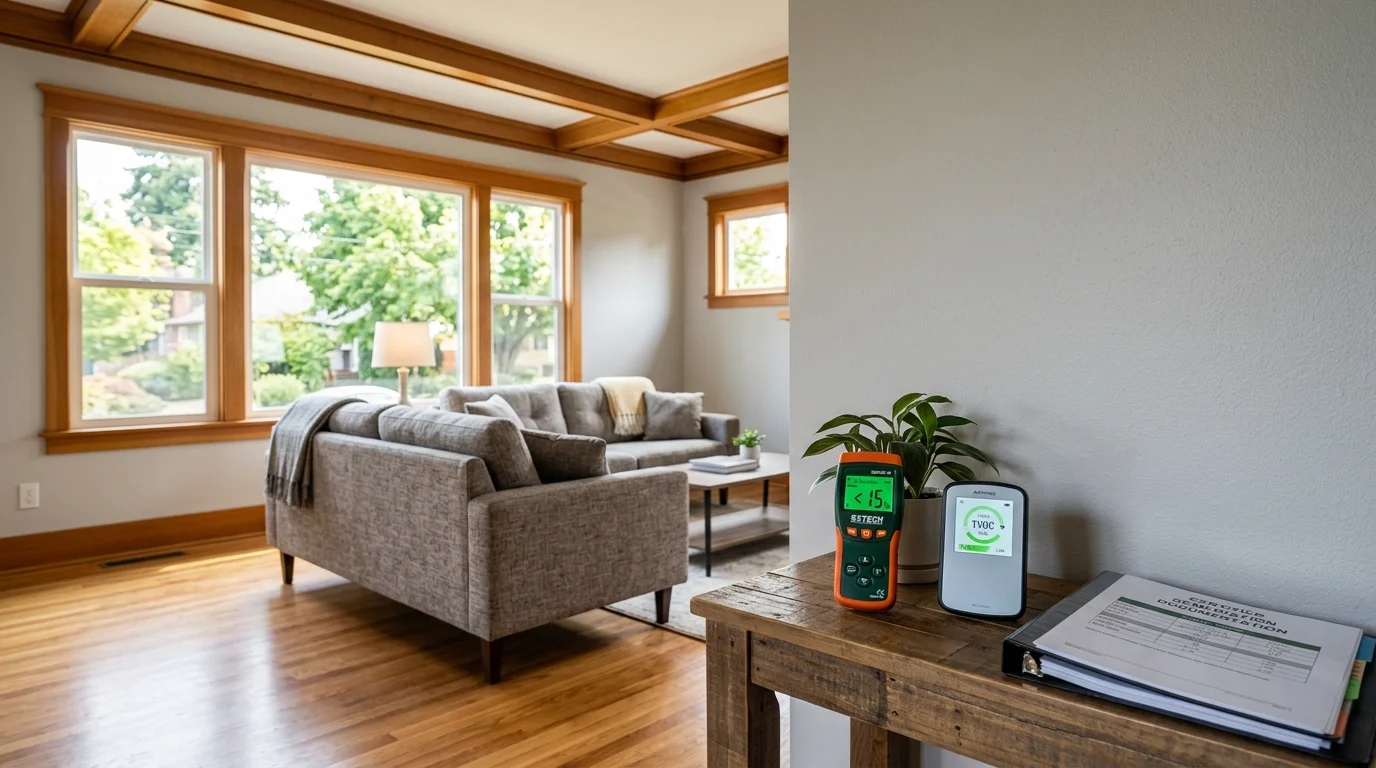
Professional mold remediation and indoor air quality testing for Portland homes and businesses.
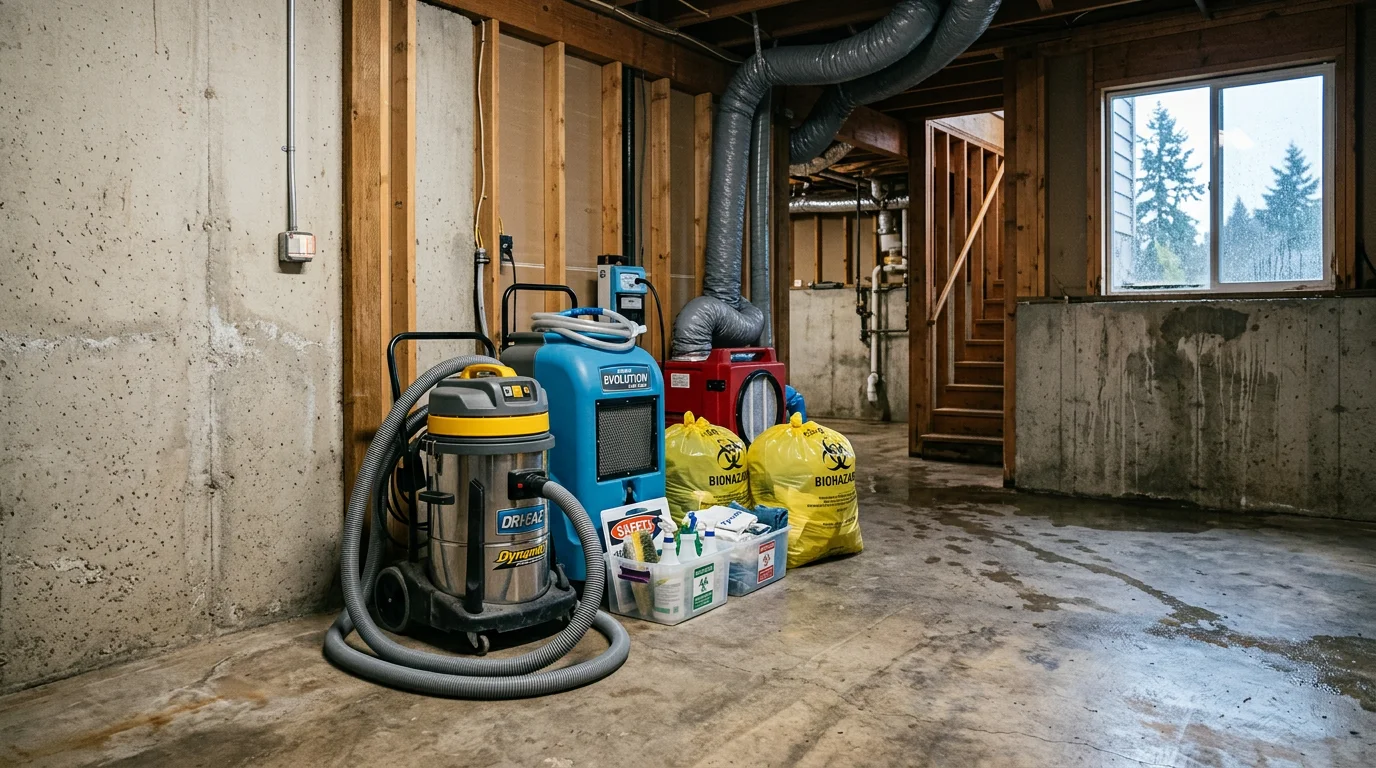
Professional sewage cleanup and disposal for Portland homes and businesses.
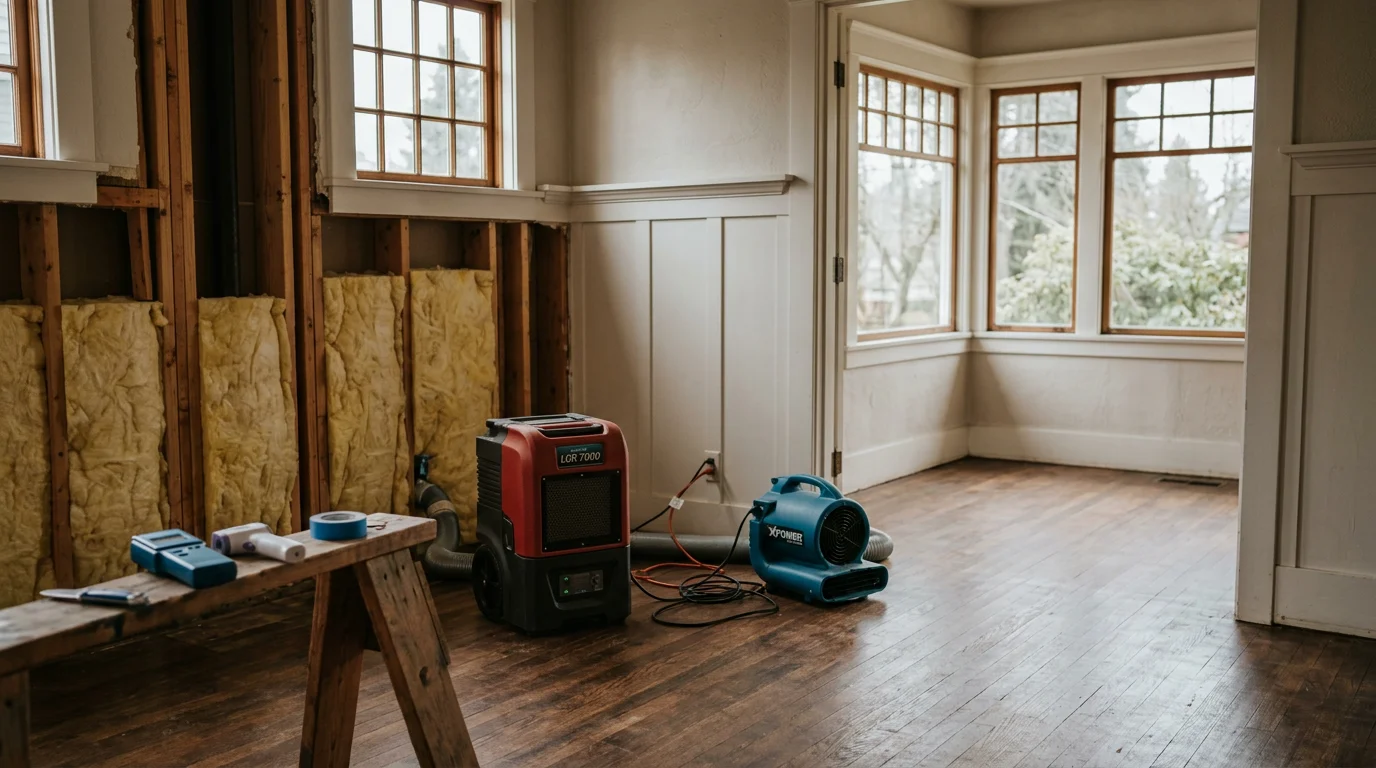
Professional building restoration services for water damage, structural repairs, and complete property recovery.
Serving Portland, OR
Our crew knows Portland, OR. We will show up on time, assess the job honestly, and give you a clear written number before asking you to decide anything.
Also serving across the Portland Metro Area:
Common questions from Portland, OR customers about our services, process, and coverage.
Pre-1940 Portland homes were built with wood lath, plaster walls, and old-growth fir framing that absorbs and holds moisture differently than modern drywall and engineered lumber. These materials require extended drying times and more frequent moisture readings to confirm the structure is fully dry. Skipping that step in an older Portland home is one of the most common reasons mold appears weeks after a water event.
Yes. Portland's wet season keeps outdoor humidity high from October through April, and unventilated crawlspaces under older homes in neighborhoods like Woodstock and Sellwood trap that moisture against wood joists and subfloor sheathing. Mold can establish in those conditions without any single water event. Containment, removal, and moisture control are all part of a proper crawlspace mold remediation.
Plaster walls are porous and absorb smoke particles and odor compounds deeply, unlike painted drywall. In a Portland bungalow or foursquare with original plaster, soot removal and odor elimination require treatment of the wall surface itself, not just the air. Ozone treatment or hydroxyl generators are often used alongside structural cleaning to fully clear the odor.
Yes. When a shared drain line backs up into a ground-floor unit in a Portland apartment building, the contaminated water is classified as Category 3, meaning it carries pathogens that require full biohazard-level cleanup protocols. Affected materials that cannot be safely sanitized must be removed, and the area must be properly decontaminated before any reconstruction begins.
Call us directly. Real answers, no scripts.
Stop by, call, or book online — we're always nearby when you need us.
Phone
(503) 922-7277Hours