Water
Professional water damage restoration services in Portland, OR. Fast response, expert cleanup.
Explore Water
Beaverton's housing stock spans from 1950s and 1960s split-levels and ranch homes in West Beaverton, Cedar Hills, and Raleigh Hills to newer planned subdivisions built after 2000. The older homes in this cohort were built before modern vapor barriers and crawlspace encapsulation standards existed, leaving them with higher baseline moisture vulnerability. Washington County's clay and silt soils retain water near foundations and subfloors at rates that sandy soils do not, extending the window during which professional drying equipment must run to prevent the soil from reintroducing moisture into structural materials. Beaverton Creek is prone to high water during sustained rainfall, and Downtown Beaverton carries a significant flood risk for properties in that corridor.
Beaverton, OR
OR Service Area
Communities we serve
Beaverton, OR
Water Damage Restoration Service
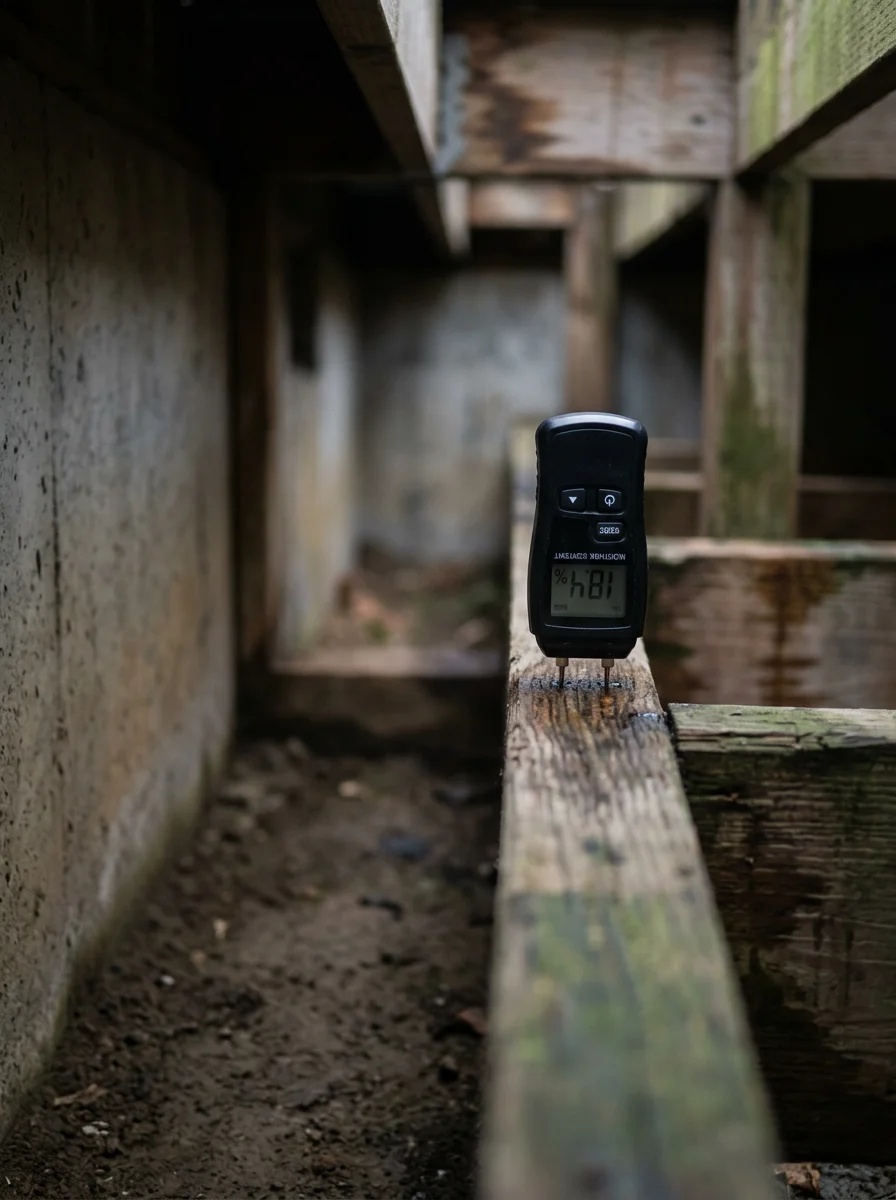
The volcanic clay soils under most of Beaverton's residential neighborhoods retain moisture near foundations and subfloors for weeks after a rain event. This is not the same as a simple wet basement. The soil itself acts as a reservoir, and without active drying equipment running long enough to account for that reintroduction of moisture, structural materials that appear dry on the surface can still be wet inside. This is why moisture mapping at multiple depths matters in Beaverton homes.
The 1950s and 1960s ranch homes in Cedar Hills, Raleigh Hills, and West Beaverton were built before crawlspace encapsulation and vapor barrier standards were established. Original foundation coatings have degraded over decades, and drainage systems that may have worked when the home was new have since settled or clogged. Mold remediation in these crawlspaces requires full containment, HEPA filtration, and moisture control to address the source, not just the visible growth.
Downtown Beaverton carries a severe flood risk, with a significant share of properties in that corridor at risk of flooding over the next 30 years. Properties along Beaverton Creek in the Raleigh West area also face periodic high-water exposure. When flooding affects these areas, sewage backup cleaning is often needed alongside water extraction because storm surges can overwhelm drain lines and push contaminated water into lower-level spaces.
At a glance
Water damage restoration in Beaverton is shaped by the clay soils that underlie most of the city's residential areas, which slow drainage and keep moisture active against older foundation walls long after a storm ends. Mold remediation is a frequent follow-on service, particularly in the 1950s-to-1970s ranch homes of Cedar Hills and West Beaverton where crawlspaces were never designed for modern moisture control. Structural drying in these homes requires longer equipment run times than newer construction because the clay soil continues to push moisture back into drying materials. Content pack-out and storage is also commonly needed when water damage affects finished living spaces in these single-story homes where all rooms are at the same level as the affected area.
Professional water damage restoration services in Portland, OR. Fast response, expert cleanup.
Professional fire damage restoration and cleanup services for Portland homes and businesses.
Professional mold remediation and indoor air quality testing for Portland homes and businesses.
Professional sewage cleanup and disposal for Portland homes and businesses.
Professional building restoration services for water damage, structural repairs, and complete property recovery.
Worked with us?
Leave a ReviewServing Beaverton, OR
Our crew knows Beaverton, OR. We will show up on time, assess the job honestly, and give you a clear written number before asking you to decide anything.
Also serving across the Portland Metro Area:
Common questions from Beaverton, OR customers about our services, process, and coverage.
Washington County's clay soils hold moisture near the foundation and subfloor long after the surface appears dry, and they actively reintroduce that moisture into structural materials during the drying process. Older ranch homes in Cedar Hills and West Beaverton also have crawlspaces that were never designed for modern moisture management, which means drying equipment must run longer and moisture readings must be taken at multiple points to confirm the space is truly dry.
Yes. Homes built in the 1950s through 1970s in Beaverton were constructed before vapor barriers and crawlspace encapsulation became standard practice. Original foundation coatings have degraded, and drainage systems that once worked have often settled or failed. These conditions create a higher baseline mold vulnerability, and any water intrusion should be followed by a full crawlspace inspection and moisture assessment.
Yes. Beaverton Creek is prone to high water during sustained rainfall, and properties in Raleigh West along Route 217 face periodic flood exposure. When creek levels rise, water can enter lower-level spaces and crawlspaces, and the clay soils in the area slow drainage significantly. Extraction, moisture mapping, and structural drying are all needed to properly address a flooding event in this corridor.
Content pack-out involves carefully removing and storing your belongings so restoration work can proceed without damaging them further. In Beaverton's single-story ranch homes, where all living spaces are at the same level as the affected area, pack-out is often needed to give crews full access to floors, walls, and cabinets during extraction and drying. Items are inventoried, stored securely, and returned once the restoration is complete.
Call us directly. Real answers, no scripts.
Stop by, call, or book online — we're always nearby when you need us.
Phone
(503) 922-7277Hours